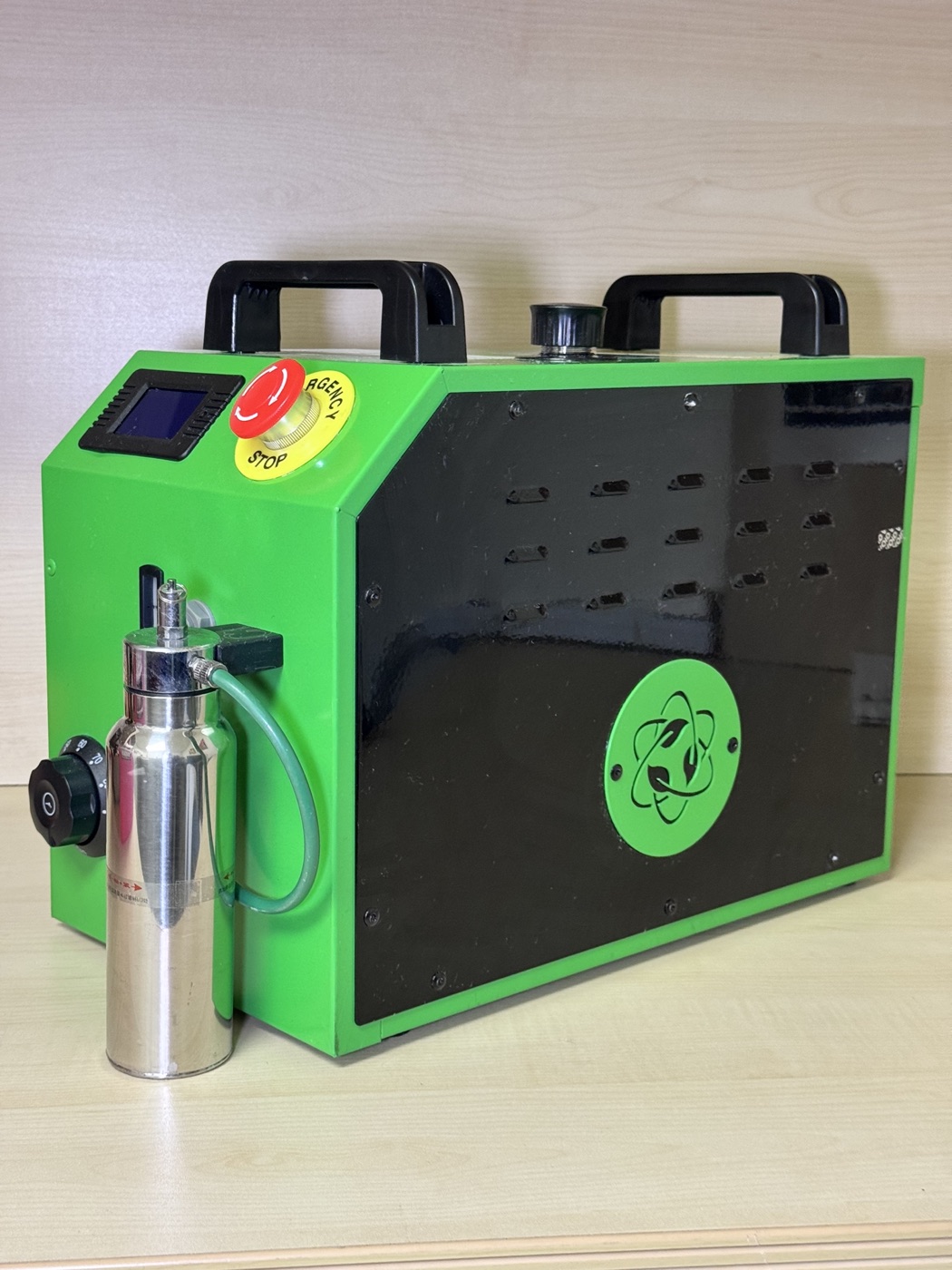
How a mobile visit works
- Call or send a request. Share the year, make, model, engine, any fault codes, and where the truck is parked.
- We confirm the details and schedule a time. Service is available 24/7; we confirm availability when you call.
- On site, we connect to the truck's computer to read fault codes and check the filter's condition before starting.
- If the filter can be cleaned in place, we clean it while it stays installed. Cleaning typically takes 2–3 hours, depending on filter condition.
- If we find a sensor issue or another fault, we explain what it is and how we can help.
Why cleaning on site saves time
When we come to you, the truck is not towed or driven to a shop, and when the filter's condition allows, it is not removed and reinstalled either. That avoids the removal and reinstallation involved in off-vehicle cleaning.
The truck stays where it works, and you can schedule service at night or on the weekend so it is ready for the next shift.
Where we can work
We work at yards, parking lots, jobsites, and other places where the truck can be parked safely during the service. Tell us about the site and whether the truck can be started, and we confirm what we need before we go.
Prefer to come to us? Bring the truck to our workshop at 525 Central Ave, Suite 6A, in Upland.
Pickups, trucks and equipment
Our process suits pickups, trucks, tractors, agricultural equipment, and buses, depending on system compatibility. Share the details of your unit and we confirm before scheduling.
When on-site cleaning is not the fix
A cracked, melted, or damaged filter needs replacement, and a restriction caused by another fault—such as a sensor, an injector, or regenerations that do not complete—needs that cause addressed. We check first and tell you if on-truck cleaning is not the right step.