What regeneration does
A DPF traps particulate matter from the exhaust. During regeneration, the filter reaches the temperature needed to burn that soot, converting it primarily to ash, carbon dioxide, and water, according to EPA.
Passive regeneration happens when exhaust temperatures are high enough on their own. Active regeneration adds fuel or heat to raise the filter's temperature, either while the truck is working or during a controlled event with the vehicle parked. Follow your manufacturer's instructions for regeneration.
What regeneration cannot remove
Ash does not burn. It comes mainly from lubricating oil and fuel additives, and EPA explains that its gradual accumulation keeps increasing exhaust backpressure over time. Long-term ash buildup is remedied by periodic filter cleaning, not by more regenerations.
Why a truck keeps regenerating
EPA notes that how often a DPF regenerates depends on the engine's duty cycle, its particulate emission rate, the filter technology, and other factors. Short trips, long idling, and low exhaust temperatures can all play a part.
A filter carrying more ash has less room for soot, and an engine emitting excessive particulate or failing to complete regenerations loads the filter faster. That is why frequent regens are a reason to check the whole system, not just to clean the filter.
When to clean, and when to diagnose first
Cleaning makes sense when buildup has accumulated in a filter that is still intact. Our on-truck cleaning typically takes 2–3 hours, depending on filter condition.
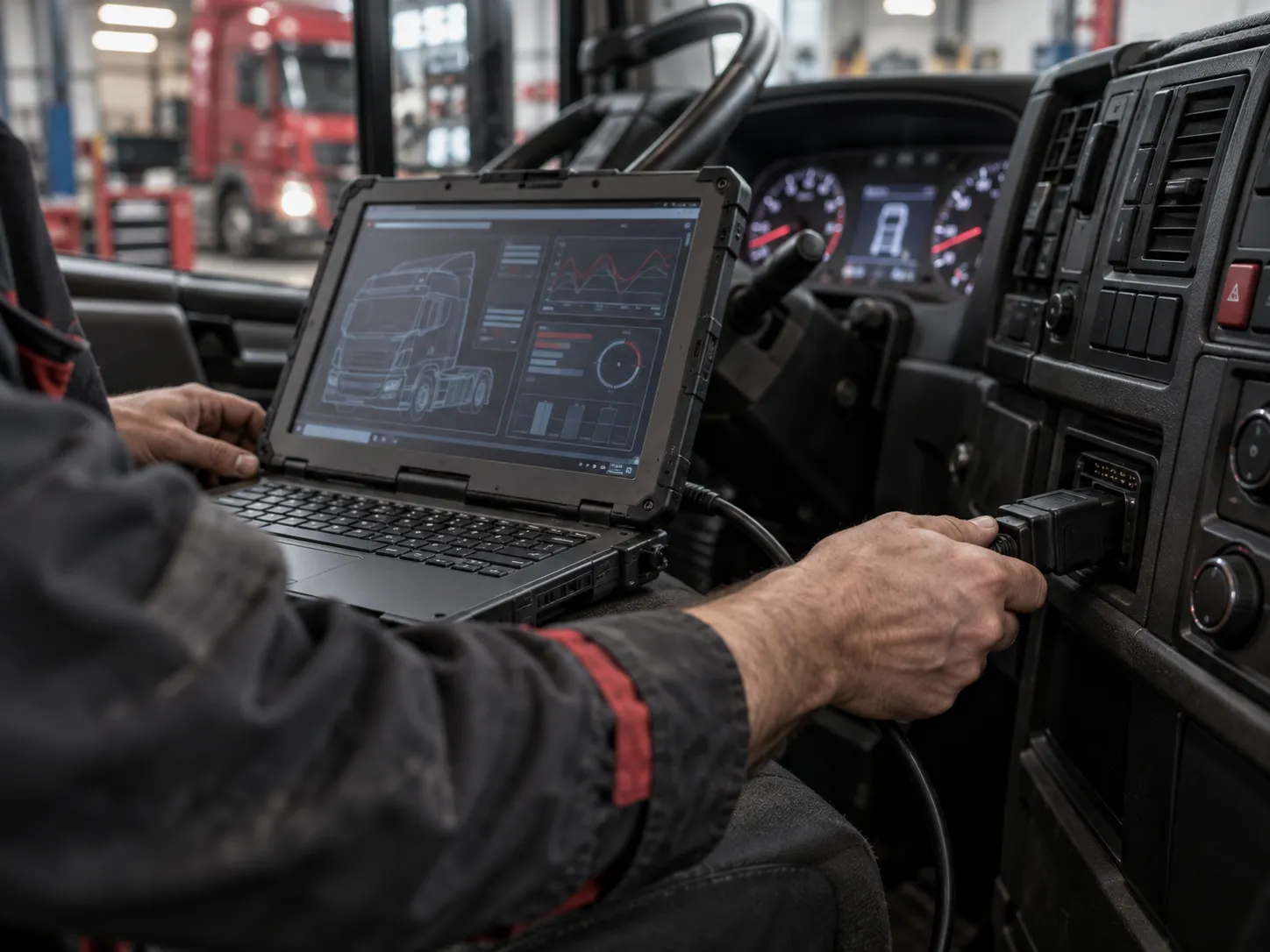
If regenerations fail, warning lights stay on, or the truck is derating, start with diagnostics. We connect to the truck's computer to read fault codes before recommending cleaning. If Clean Truck Check is coming up, avoid clearing codes just before the test: CARB explains that the vehicle may show a “Not Ready” result.